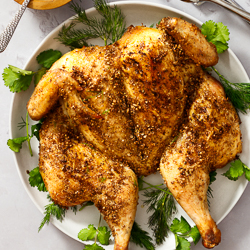
I love my freezer because it’s the place that I typically squirrel away delicious goodies that enable me to quickly and easily put delicious meals on the table.
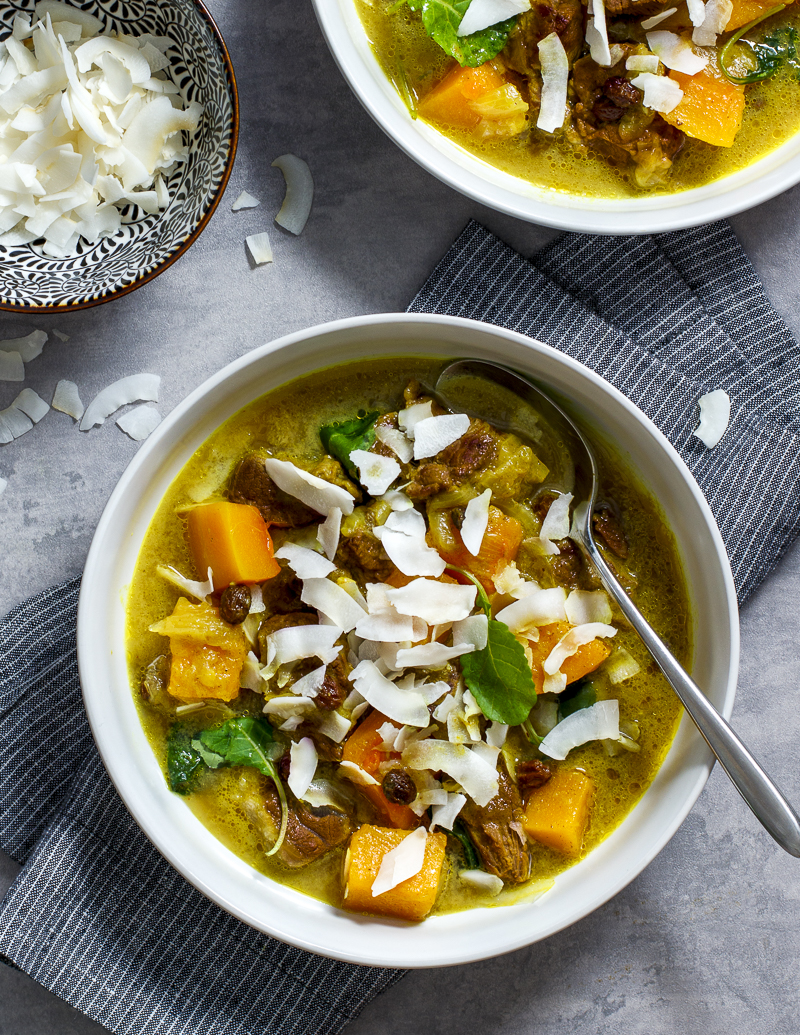
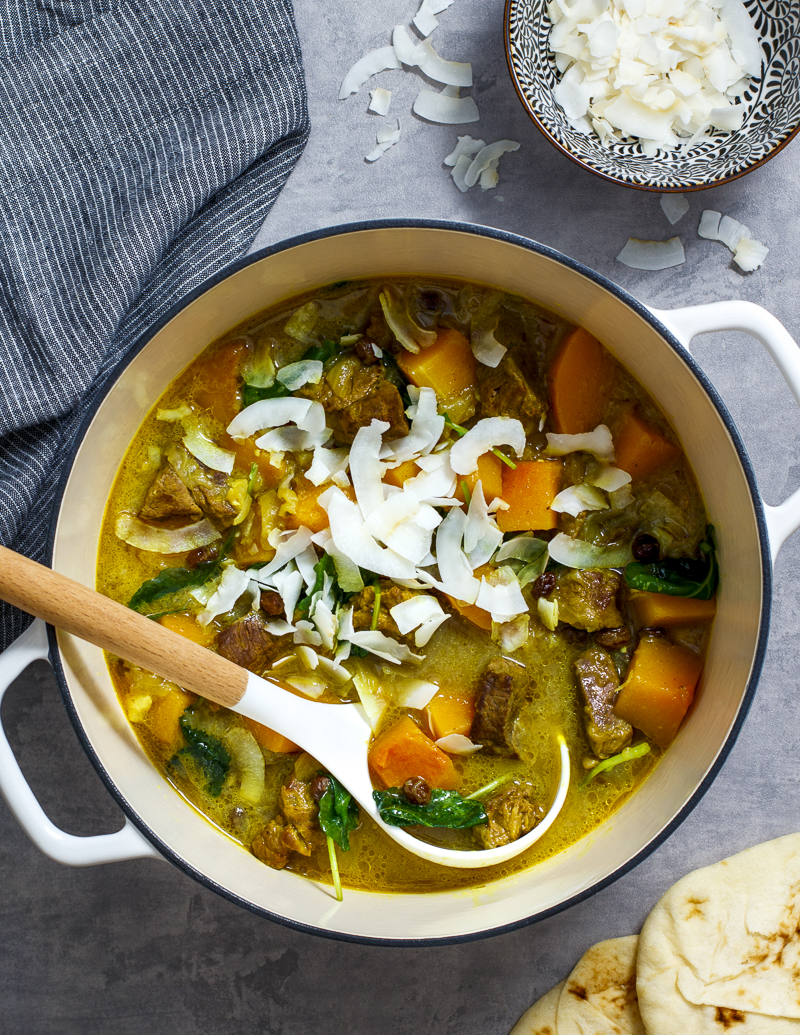
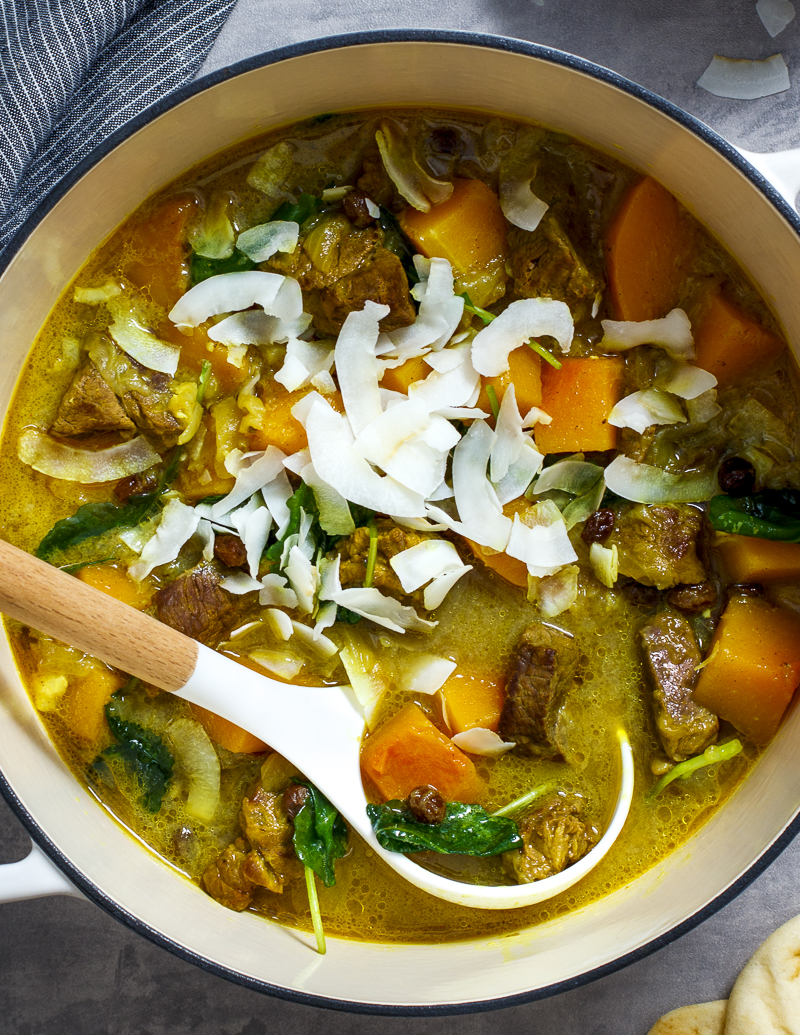
Soups, stocks, and stews—this Curried Lamb and Butternut Squash Stew, for example. Balls of cookie dough. Cubes of pesto and other simple sauces to dress up otherwise simple dishes. Rice and beans, scones and muffins, and so much more.
Sometimes it’s leftovers. And sometimes it’s stuff I purposefully make for the freezer, so it’ll be on hand when I want it. Because it’s always easier to make two batches of something now than to make one now and another later.
It’s a very full freezer.
In a cooking class, when I’m talking about a recipe for, say, chili and I suggest making extra and saving it in the freezer, someone will invariably ask, how long can I freeze it?
So if you’ve ever wondered the same thing, here’s the answer, whether it’s jambalaya or steaks or string beans—
You can freeze it indefinitely.
That’s right. You can put a food in your freezer and, as long as your freezer maintains proper temperature (0 degrees or less), it’ll be safe to eat whenever you choose.
As in, forever.
So why do some recipes say you can freeze something for a few days, or a few months? Or not to freeze something at all?
Because while all things are safe to eat no matter how long they’ve been frozen, some aren’t ideal after a certain period of time, or at all.
And that’s because freezing can change the color and texture of foods, sometimes unpalatably.
For example, eggs, some dairy products, custard-y things, and mayonnaise-y things aren’t great candidates for the freezer. Because eggs can get rubbery, crumbly, or gummy. Mayonnaise, milk, sour cream, and yogurt can separate. And custards can get watery.
Does that mean you can’t eat them? No. But you might not want to.
Foods that have a high water content—fruits, for example—can get mushy in a home freezer. When the water in their cells freezes and expands, it breaks the cell walls, making the later-defrosted food, well, watery.
Does that mean you can’t eat it? No. But it means that fruit might be better destined for a smoothie or a pie—places you’d expect it to be mushy or its texture doesn’t matter—than for a fresh fruit tart.
Many vegetables can lose flavor and develop off-colors after being frozen for only a few weeks. So they’re best blanched before freezing. That’s why frozen vegetables from the supermarket are essentially ready to eat, after thawing of course—they’ve been blanched before freezing to maintain color and texture.
Does that mean you have to blanch fresh green beans before freezing? Nope. It just means they might get kind of gray-ish or taste less than perfect if you don’t.
Meats can develop off-colors and freezer burn. But they’re certainly edible—if you don’t mind the color and, if you don’t like it, you cut off the freezer-burned parts.
Bottom line, this is one of those areas where you have to read between the lines when you read a recipe. If it says to only freeze for a certain period of time, mentally add “for best flavor and texture.”
Then do whatever works for you.
A few especially freezer-friendly recipes:
Morning Glory Muffins
Strawberry Rosemary Muffins
Ginger Orange Scones
Rustic Gruyère Chive Scones
Tomato Soup
Chicken Soup with Rice
Chicken Stew with Potatoes, Carrots, and Peas
Curried Lamb and Butternut Squash Stew
Wine-Simmered Beef Stew with Carrots, Mushrooms, and Sweet Onions
Chicken Posole Verde
Chunky Beef and Syrah Chili
Spice-Braised Brisket with Shallots and Tangerines
Maple Brown Sugar Butter Cookies (especially as dough)
Salted Cherry Almond Oatmeal Cookies (ditto)
The World’s Best Chocolate Chip Cookies (ditto)
Lemon Bars with Cardamom
Mexican Chocolate and Cherry Brownies
Nana’s Honey Cake
Apple-licious Crostata
Basic Pastry Dough
Hearty Whole Wheat Walnut Bread
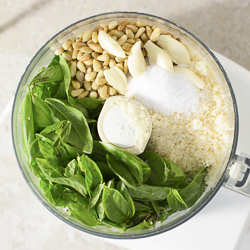
Basil Pesto